Compare Local Contractors for Outdoor Lighting Installation Success
Compare local contractors to define project scope, verify experience, and set clear expectations in writing for successful outdoor lighting installation.
Outdoor lighting installation services typically encompass planning, design, and the physical setup of exterior lighting systems. This work can include installing pathway lights, accent lights for landscape features, security lighting, and decorative fixtures to enhance the property's aesthetic appeal. Contractors may also handle wiring, fixture placement, and ensuring the lighting is properly integrated with existing electrical systems. Clear communication about the scope of work helps property owners understand what is included, whether it involves just fixtures or a comprehensive lighting plan, and ensures that the installation aligns with the property's specific needs and layout.
Defining the scope of outdoor lighting installation is essential for setting realistic expectations and avoiding misunderstandings. A well-detailed scope outlines the specific tasks involved, the types of fixtures to be used, the areas to be illuminated, and any additional features like timers or dimmers. Writing these details down provides a reference point for both property owners and service providers, helping to ensure that everyone is aligned on the project's objectives. This clarity can also prevent scope creep, reduce the risk of unexpected issues, and facilitate smoother communication throughout the process.
When comparing local contractors for outdoor lighting installation, property owners should consider experience, reputation, and the range of services offered. Verifying that contractors have relevant experience with similar projects can provide confidence in their ability to deliver quality results. It’s beneficial to review their portfolio or ask for references to gauge their expertise. Additionally, gathering information about the types of fixtures they recommend and their approach to design can help in assessing compatibility with personal preferences. Comparing how different service providers define their scope of work and communicate project details can also aid in selecting a contractor that best aligns with the property’s needs and expectations.
Compare local contractors by outlining your project priorities, verifying experience, and clearly defining scope in writing.
- Compare Contractor Credentials - review the experience and qualifications of local contractors to ensure they meet your project needs.
- Define Project Scope Clearly - establish detailed expectations and requirements before hiring to prevent misunderstandings.
- Verify Experience and Past Work - assess the track record of local service providers to gauge their expertise in outdoor lighting installation.
- Document Agreements in Writing - ensure all project details, scope, and expectations are confirmed through clear written communication.

Clearly describe your outdoor lighting project to help compare local contractors, verify their experience, and set expectations in writing.
- Verify the experience of service providers with outdoor lighting installation projects similar in scope and complexity. - Ensure that contractors clearly define the scope of work and deliverables in written agreements.
- Assess the quality of materials and fixtures that contractors plan to use to ensure durability and proper illumination. - Compare the credentials and references of local contractors to gauge their reliability and expertise.
- Check that the installation plan includes proper placement, wiring, and safety considerations for outdoor environments. - Confirm that service providers follow local codes and best practices for outdoor electrical installations.
- Discuss the project's design and aesthetic preferences to ensure the contractor understands your outdoor lighting goals. - Make sure all expectations, including lighting effects and coverage areas, are documented in the contract.
- Review the contractor’s process for troubleshooting and handling potential issues during installation. - Clarify warranty policies and post-installation support offered by local service providers.
Compare local contractors’ experience and clarify project scope to ensure expectations are aligned.

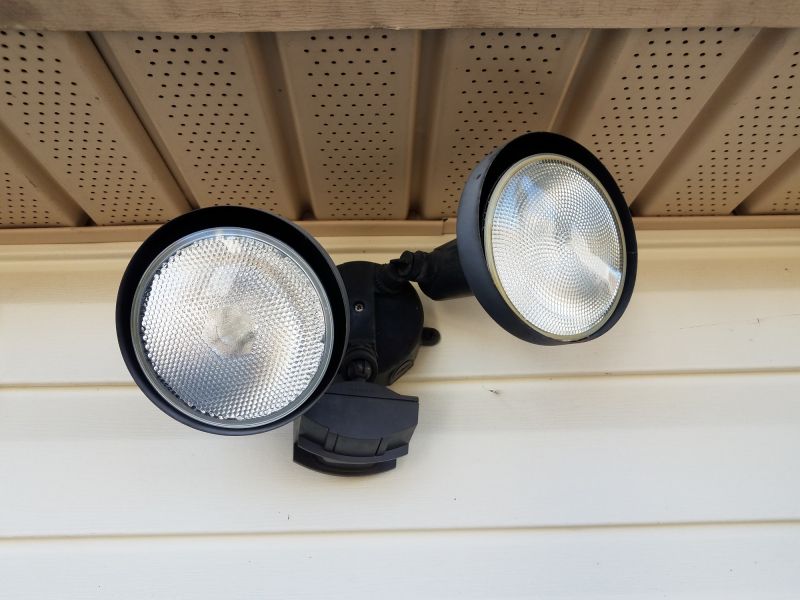
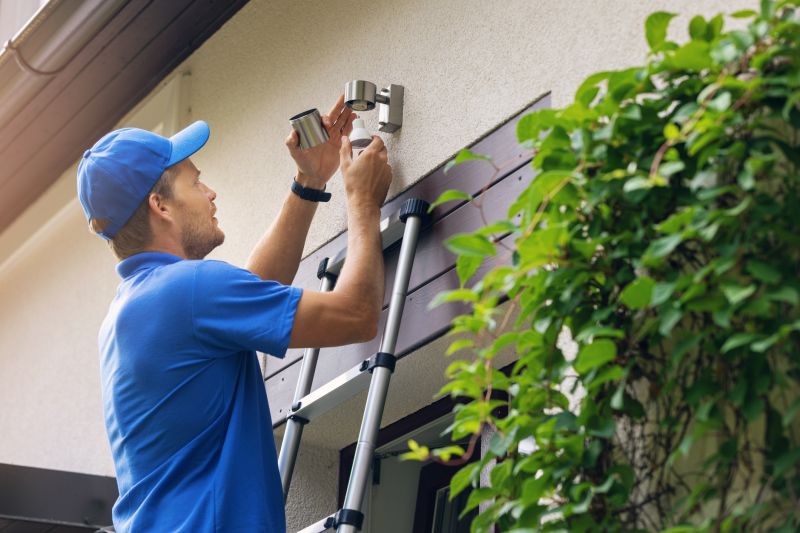

To ensure fair comparisons, clearly define your project scope, verify contractor experience, and document expectations consistently.
- Project Scope - Clearly define the areas to be illuminated and the desired lighting effects for outdoor spaces.
- Design Preferences - Specify the types of fixtures, brightness levels, and aesthetic preferences for outdoor lighting.
- Experience and References - Verify the experience of local contractors with outdoor lighting installations and review past work or references.
- Materials and Equipment - Determine the types of lighting fixtures, wiring, and accessories to be used in the installation.
- Written Agreement - Ensure all project details, expectations, and scope are documented in a written contract or scope of work.
When comparing contractors for outdoor lighting installation, it is important to evaluate their experience with similar projects. A contractor with a history of completing outdoor lighting work in residential settings can provide insight into their familiarity with different landscape features, lighting techniques, and design considerations. Asking for examples of past projects or references can help gauge their expertise and ensure they have successfully handled jobs comparable in scope and complexity to the desired installation.
A clear, written scope of work is essential to set expectations and avoid misunderstandings. This document should outline the specific tasks involved, the types of fixtures to be installed, the overall design approach, and any additional services included in the project. Having a detailed scope provides a foundation for communication and helps ensure that both parties agree on what will be delivered. It also serves as a reference point throughout the project, supporting accountability and clarity.
Verification basics involve confirming that the contractor has the necessary experience and understanding of outdoor lighting systems. This can include reviewing their portfolio, asking about their process, and verifying their familiarity with different lighting technologies and installation techniques. It is also helpful to inquire about their approach to planning, wiring, and integration with existing electrical systems. Proper verification helps ensure that the chosen service provider is capable of delivering a safe, functional, and well-designed lighting system.
When evaluating options, it is beneficial to consider how each contractor communicates and the level of detail provided in their proposals. A comprehensive proposal should include a detailed scope, a timeline for deliverables, and clear descriptions of the work involved. Comparing how each service provider approaches the project, their professionalism, and their ability to articulate the scope and process can help identify the most suitable partner. This approach ensures that expectations are well-defined and that the project can proceed smoothly, aligned with the homeowner’s needs and preferences.
Ask contractors to provide written scope details to ensure clear expectations and consistent project understanding.
- Experience and Expertise - What specific experience do local contractors have with outdoor lighting installation projects similar to this one?
- Scope of Work - How do contractors define and clarify the scope of the outdoor lighting installation to ensure all expectations are documented?
- Design and Planning - What process do service providers use to plan and design the lighting layout before installation begins?
- Materials and Equipment - What types of lighting fixtures and equipment do local contractors typically recommend for outdoor installation projects?
- Communication and Expectations - How do contractors ensure clear communication about project details and set realistic expectations in writing?
How can I compare outdoor lighting installation contractors? Reviewing credentials, reading customer reviews, and requesting detailed scope descriptions can help compare local contractors effectively.
What should I clarify when defining the scope of outdoor lighting work? Clearly outlining the desired lighting design, number of fixtures, and specific areas to be illuminated ensures everyone understands the project requirements.
How can I verify the experience of outdoor lighting contractors? Asking about previous projects, requesting references, and checking portfolios can provide insight into a contractor’s expertise and work quality.
Why is it important to get the scope of work in writing? Having a written agreement helps set clear expectations, prevents misunderstandings, and provides a record of what was agreed upon.
What questions should I ask contractors during the comparison process? Inquire about their process, materials used, warranty options, and how they handle unforeseen issues to assess their professionalism and reliability.
How can I ensure the contractor understands my outdoor lighting goals? Communicating your preferences and asking for detailed plans or sketches can help confirm that the contractor’s approach aligns with your vision.
This page has highlighted the importance of clearly defining the scope of outdoor lighting installation projects, verifying the experience of local contractors, and putting all expectations in writing to ensure a smooth process. By comparing different service providers, visitors can find the right fit for their specific needs and preferences. Using the quote form allows for easy access to local contractors who can handle the job with professionalism and transparency.
To make an informed decision, it’s recommended to utilize the quote form to connect with local service providers experienced in outdoor lighting installation. This approach helps in evaluating options, understanding each contractor’s approach, and setting clear expectations before moving forward. Comparing local contractors through this process ensures that the selected professional aligns with the project’s scope and requirements.